

Parity blog · 5 min read
Is your employer health plan self-funded? Why the answer changes the route
Learn how to look for self-funded plan clues and why a familiar insurer logo does not always mean California DMHC regulates the plan.
Published August 24, 2026 · Sources checked August 24, 2026
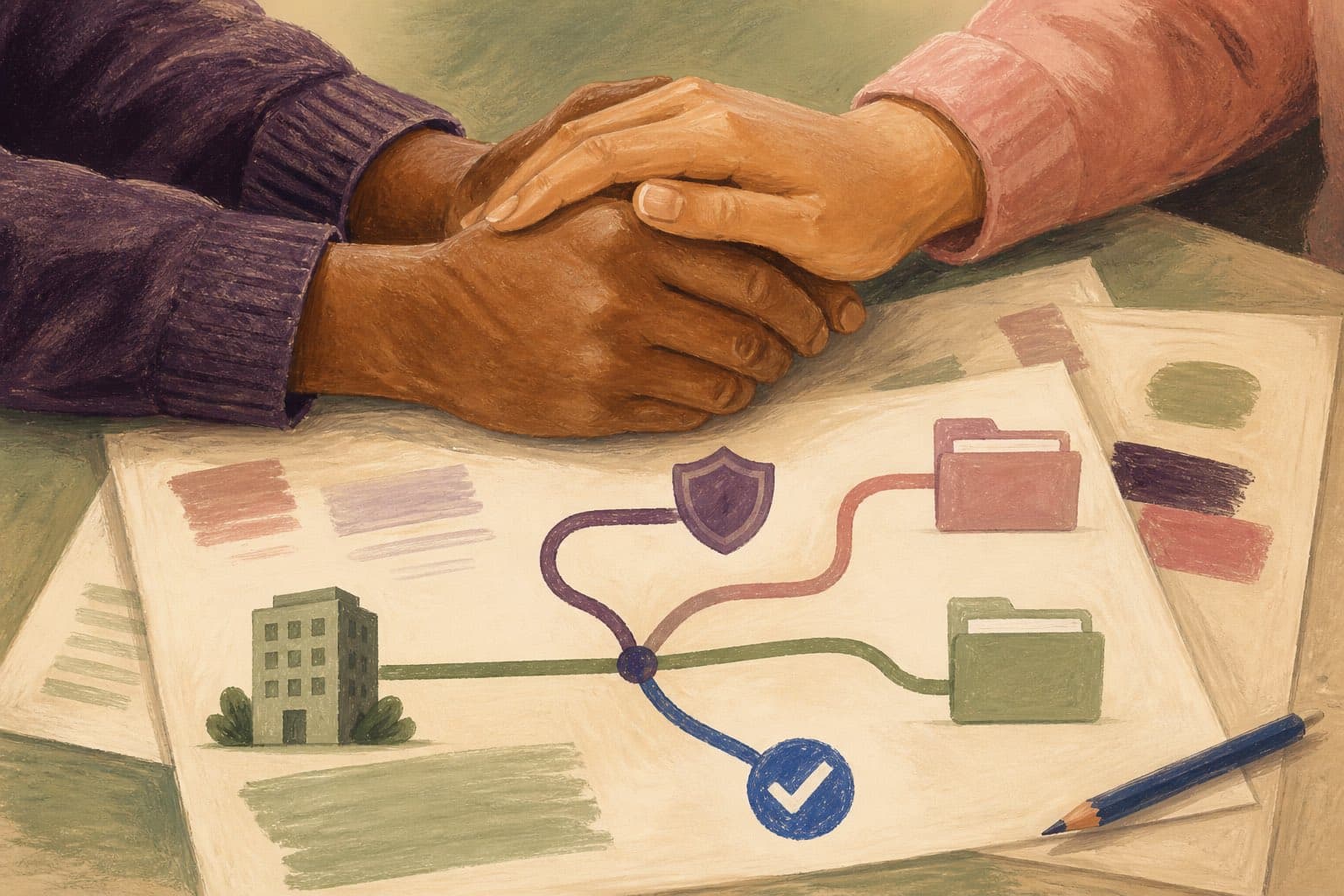
An insurance card may show the name of a large insurance company even when the employer, not the insurer, bears the financial risk for claims. That arrangement is often called a self-funded or self-insured employer plan. The distinction matters because it can change the governing documents, appeal process, and outside agency.
This is general educational information, not legal advice or a determination about a particular plan.
Fully insured and self-funded are not the same
In a fully insured arrangement, the employer generally purchases health coverage from an insurer or health plan. In a self-funded arrangement, the employer or plan funds benefits while an insurance company may act only as the third-party administrator.
That is why the logo alone is not conclusive. The same administrator can appear on both types of cards.
Where to look
- Summary Plan Description: employer plans commonly provide an SPD. Search for “self-funded,” “self-insured,” “plan sponsor,” “plan administrator,” and “claims administrator.”
- Evidence of Coverage or certificate: this may identify the licensed health plan and regulator for fully insured coverage.
- Member card: useful for contact numbers and the administrator, but not enough by itself.
- Employer benefits team or plan administrator: ask directly, “Is this health plan fully insured or self-funded, and who is the plan sponsor?”
- DMHC lookup: search the DMHC health-plan list. A familiar company appearing somewhere on the list does not prove that your specific employer plan is DMHC-regulated.
Save the answer in writing when possible.
Why the route changes
DMHC generally handles plans under California's Knox-Keene system. Self-funded private-employer plans often fall under the federal Employee Retirement Income Security Act and use the plan's federal claims and appeals process. Government and church plans can have additional differences. Medicare and Medi-Cal are separate again.
The U.S. Department of Labor's Employee Benefits Security Administration publishes health-benefit claim guidance for many employment-based plans. The plan document and denial notice remain essential.
What if the answer is unclear?
Do not force the case into a California form because the deadline feels close. Ask the plan administrator, request the governing plan document, and use the regulator’s official help channels. If a deadline or large financial exposure is involved, qualified legal assistance may be appropriate.
Parity's Path Finder includes self-funded plans: it routes them to the federal ERISA track before preparing anything. If the plan type remains unknown, it holds the route rather than guessing. That is a safety boundary, not a judgment that the member lacks options.
Use Path Finder to check your route.
Use Path Finder to sort the likely route, then confirm it against the plan document and denial notice before filing.
A one-minute plan-type note
Write down:
- employer or plan sponsor;
- plan name;
- administrator shown on the card;
- whether documents say fully insured, self-funded, or self-insured;
- regulator or outside-review instructions in the denial;
- where the answer came from and the date you checked.
That note can prevent hours of work on the wrong route.